
 Womens New Arrivals
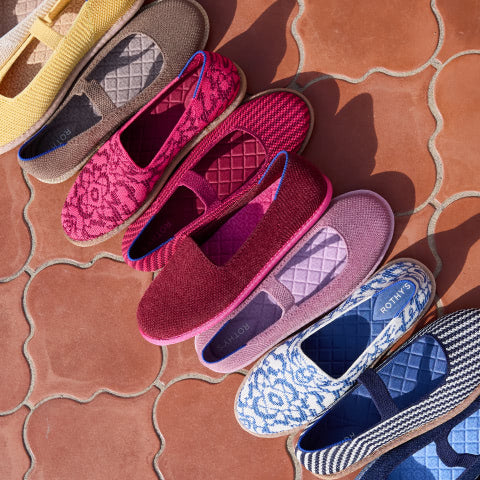 Cruiser
 Mens Shoes
 Womens Bags
 Kids Shoes
Sustainability
Our production system is built around the principles of responsible manufacturing, long-term thinking, and continuous environmental improvement. While manufacturing is carried out through a network of carefully selected partner facilities to support different product categories such as footwear and accessories, a portion of our output is made in company-operated factories. This structure allows for closer supervision of production practices, ensuring that standards related to quality, labor conditions, and environmental performance are consistently maintained. Certain facilities within this network have achieved internationally recognized certifications, including LEED Gold and TRUE Zero Waste, reflecting strong performance in energy efficiency, sustainable building design, and waste reduction systems.
A key focus across all manufacturing stages is the reduction of material waste. Traditional production methods in footwear and apparel often generate significant excess material, sometimes accounting for a substantial percentage of total input. In contrast, our knit-based construction approach is engineered to minimize offcuts and unused fabric by forming components to near-final shape during production. This method dramatically reduces waste levels, with upper material waste in some cases brought down to less than one percent. By significantly limiting excess materials, this process not only conserves resources but also reduces environmental strain associated with disposal and landfill use, contributing to a more efficient and circular manufacturing model.
Environmental responsibility is incorporated into product development from the earliest design stages. Rather than treating sustainability as an afterthought, it is integrated into decision-making related to structure, materials, and functionality. Product design emphasizes durability and extended lifespan, encouraging items that are intended for long-term use instead of short-term replacement. Each new collection is developed with the goal of improving environmental performance compared to previous iterations, whether through better material efficiency, reduced waste, or more responsible sourcing methods. Progress is viewed as an ongoing process, with continuous refinement playing a central role in development strategy.
Material innovation is a major component of this approach. A significant effort has been made to repurpose post-consumer waste, particularly plastic materials, which are transformed into recycled fibers used in product construction. These recycled inputs are processed into durable yarns that form part of the structural foundation of footwear and accessories. In addition to recycled synthetics, natural and renewable materials are also incorporated, including hemp, which is valued for its low environmental impact and regenerative agricultural properties. Responsibly sourced merino wool is also used in selected products, obtained from suppliers who follow strict standards regarding animal welfare, ethical production, and sustainable land management practices.
Sustainability efforts also extend to packaging and distribution. Packaging materials are primarily made from recycled cardboard and are designed to be both protective and efficient, often eliminating the need for additional external shipping boxes. This streamlined approach reduces overall material consumption and simplifies logistics. Over time, improvements in packaging design have resulted in substantial reductions in cardboard waste, demonstrating how incremental changes can create meaningful environmental benefits when applied consistently across large-scale operations.
Product durability is another essential part of the overall strategy. Items are engineered to perform reliably under everyday conditions and are tested to ensure strength, comfort, and long-term usability. Structural components, including those in bags and footwear, are evaluated for their ability to withstand significantly higher loads than typical use cases require. This emphasis on over-engineering supports the goal of extending product life cycles and reducing the frequency of replacement. In many cases, products are also designed to be easily maintained, including options for machine washing, which helps extend usability and encourages repeated wear.
Across all areas of operation, from sourcing and production to packaging and product performance, the guiding objective remains consistent: reduce waste, improve efficiency, and create products that are designed for longevity. This integrated approach reflects a long-term commitment to more responsible manufacturing practices and a continued effort to align product development with environmental responsibility.