
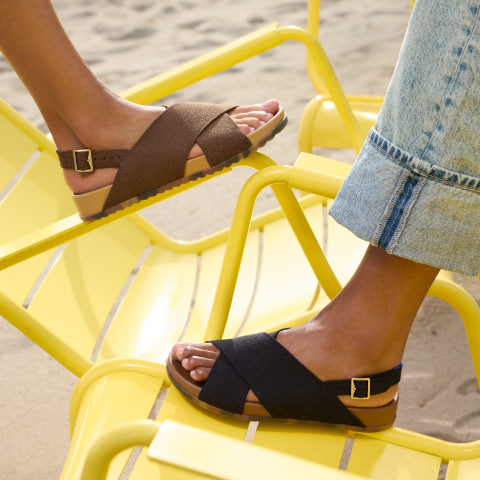
 Womens New Arrivals
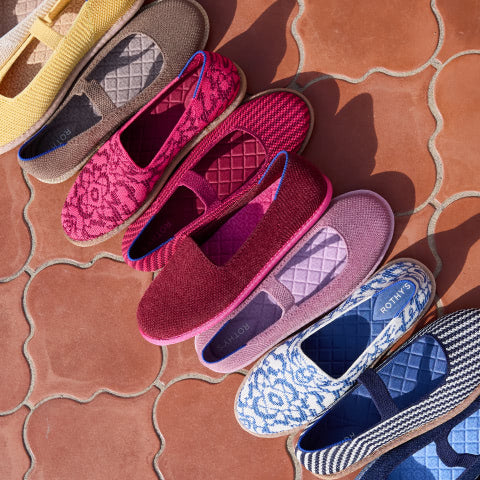 Cruiser
 Mens Shoes
 Womens Bags
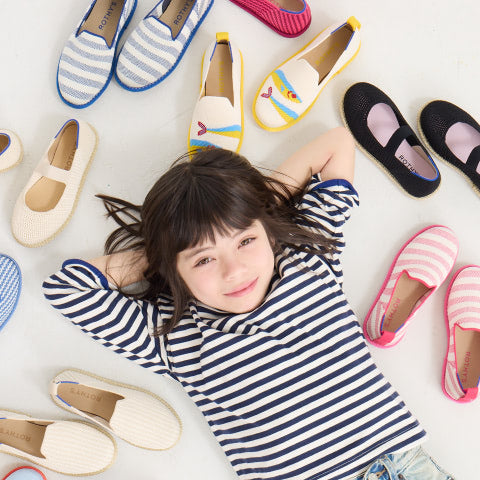 Kids Shoes
Patents
Innovation and ongoing creative development form the foundation of the products described here, with substantial effort dedicated to producing original designs, refined construction methods, and distinctive functional details. To protect these outcomes, a range of intellectual property measures is utilized, including patents, design registrations, and pending applications across multiple jurisdictions. These protections are intended to preserve the originality of key product features and ensure that the unique characteristics of each design are legally recognized.
In various regions, legal frameworks permit companies to reference intellectual property through public disclosure practices such as virtual marking. This approach helps provide transparency by identifying products that may be linked to registered or pending patent protections. Because intellectual property portfolios evolve over time, these references are not static. They are updated periodically to reflect new filings, approved registrations, and the expiration of older protections, ensuring that the information remains aligned with the current legal status.
Footwear represents a significant portion of the protected product range, encompassing a wide variety of styles such as everyday flats, loafers, sneakers, sandals, boots, and other lifestyle-oriented designs. Within each category, different aspects of design may be protected, including structural components, aesthetic elements, and manufacturing techniques. These protections can take the form of granted patents, design rights, or applications still undergoing review, depending on the region and stage of approval.
Women’s collections include a diverse selection of footwear that blends comfort-driven engineering with refined silhouettes. Many of these designs incorporate specialized construction techniques aimed at improving fit, flexibility, and long-term wearability while maintaining a distinctive visual identity. Protection may extend to styles such as minimalist flats, slip-on designs, Mary Jane variations, pointed silhouettes, and platform-inspired constructions. Each design may be supported by different combinations of intellectual property filings that reflect its unique features and innovations.
Men’s footwear is developed under a similar framework, with protection applied to a range of styles including casual sneakers, loafers, boots, and everyday versatile shoes. These products often emphasize a balance between comfort, durability, and contemporary design language. Certain models may include multiple layers of protection that cover both aesthetic design elements and functional improvements intended to enhance performance and usability.
Children’s footwear is also included within the broader intellectual property structure. These designs are typically adapted versions of adult styles, adjusted for proportion, comfort, and safety considerations. While they may share core design protections with other product lines, additional attention is given to fit and functionality appropriate for younger users. This ensures consistency in brand identity while addressing the specific needs of this category.
Beyond footwear, accessories such as handbags and related lifestyle items are also part of the protected design portfolio. These products may be covered by design rights that focus on shape, structure, usability features, and overall visual composition. The goal is to maintain coherence across product categories while safeguarding the creative and functional aspects that define each item.
Maintaining a broad intellectual property portfolio serves multiple purposes. It helps protect innovation, supports continued research and development, and ensures that original ideas are properly recognized within the marketplace. As new products are introduced and existing designs evolve, additional protections may be added, while older filings may naturally phase out according to their legal duration.
Overall, the intellectual property framework associated with these products functions as both a protective system and a record of continuous innovation. It reflects an ongoing commitment to design advancement, technical refinement, and long-term product development across all categories, ensuring that each creation remains distinctive, intentional, and securely protected within its respective markets.