
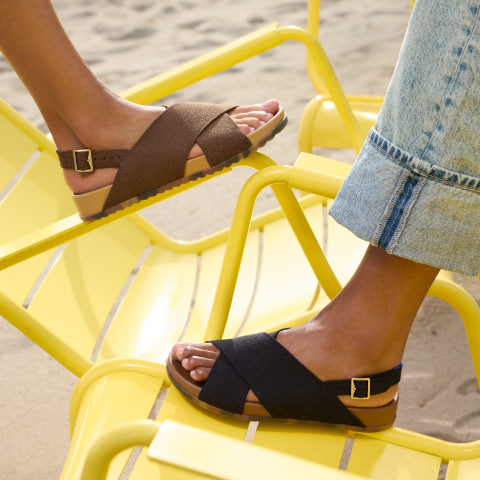
 Womens New Arrivals
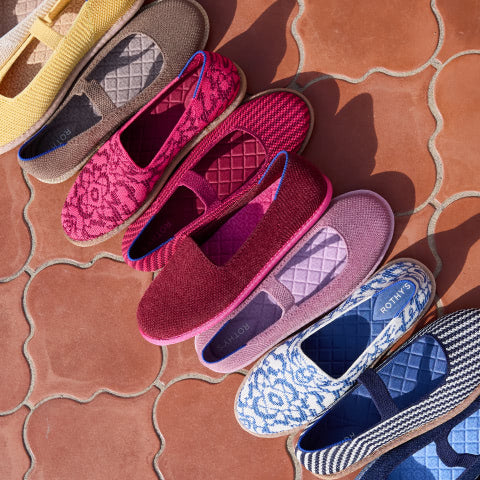 Cruiser
 Mens Shoes
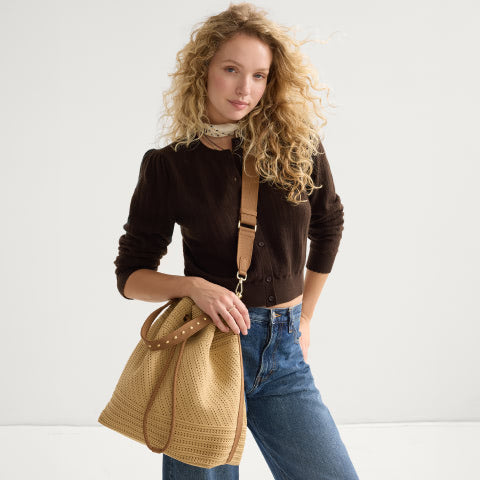 Womens Bags
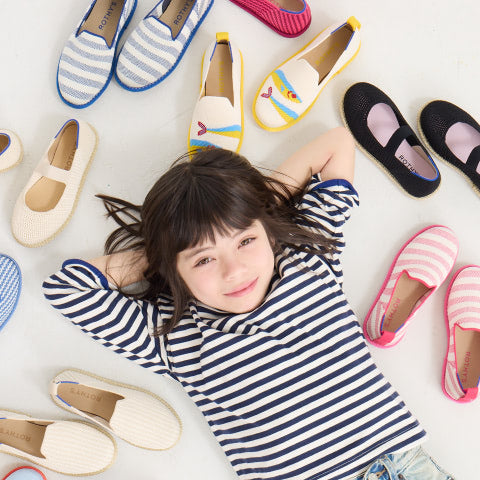 Kids Shoes
Fit Guide
Choosing the right size starts with recognizing that each design is built with slightly different proportions and construction details. While comfort is a priority across all styles, the way a shoe fits can vary depending on its shape, materials, and intended use. For this reason, your usual size may work well for some products, while others may feel better with a small adjustment up or down. Understanding these differences helps create a more accurate and comfortable fit.
Many of the everyday minimalist styles, such as simple flats and classic loafers, are designed to mirror the natural outline of the foot. These tend to feel closest to standard sizing, especially when they are made from flexible knit fabrics that gradually conform to the wearer over time. Soft cushioning inside the shoe also helps enhance comfort as the material adapts. However, designs with more tapered or pointed fronts can feel more compact in the toe area, and in such cases, selecting a slightly larger size can provide added comfort and reduce pressure at the front of the foot.
Slip-on designs, including mules and open-back silhouettes, generally offer a more relaxed fit profile. Because they do not rely on laces or straps for adjustment, they are often constructed with a bit more internal space to allow easy entry and exit. Depending on personal preference, some individuals may choose a smaller size for a more secure fit, particularly if they plan to walk longer distances or prefer less movement within the shoe. Others may find their regular size provides the ideal balance between comfort and ease of wear.
Sneaker styles tend to follow more traditional sizing frameworks, but internal construction can still influence how they feel on the foot. Features such as padded collars, flexible uppers, and supportive soles may create slight differences in fit perception. Some sneakers are intentionally designed with extra room to support all-day movement, while others are made to feel more fitted and responsive. When a style feels slightly loose, sizing down may improve stability, especially for those with narrower feet or those seeking a more secure feel during activity.
Seasonal footwear such as boots often varies depending on insulation, lining, and material thickness. Heavier lined boots may feel snug when first worn but can gradually adjust as the materials soften and mold to the foot. Conversely, boots made with stretch fabrics or wider shaft designs may feel more comfortable immediately and accommodate a broader range of foot shapes. These differences highlight the importance of considering both structure and material when choosing a size.
Sandals generally provide the most adaptable fit due to their open construction. Adjustable straps, flexible footbeds, and minimal coverage allow for natural variation in foot width and movement. While many sandal styles align with standard sizing, those with elastic components or contoured support often create a more personalized fit that improves with wear. This makes them particularly versatile across different foot types.
Sizing principles also extend to men’s and children’s collections, where fit considerations may include growth, activity level, and seasonal layering such as socks. Some designs are intentionally adjusted to accommodate these factors, offering either a slightly roomier or more fitted structure depending on the intended use. This ensures that comfort and practicality remain consistent across different categories.
Ultimately, selecting the correct size is a balance between individual preference and understanding how each design is engineered. Some people prefer a closer, more structured fit for stability, while others prioritize a relaxed feel for everyday comfort. By paying attention to construction details and material behavior, it becomes easier to choose the most suitable size and enjoy a better overall wearing experience.